

The difficulty with competition law is that so many aspects can influence its overall effectiveness. Sanctions in criminal law or the emergence of private enforcement, for example, may influence leniency policy. In turn, public enforcement, whilst protecting information, could also influence the effectiveness of antitrust damages actions.
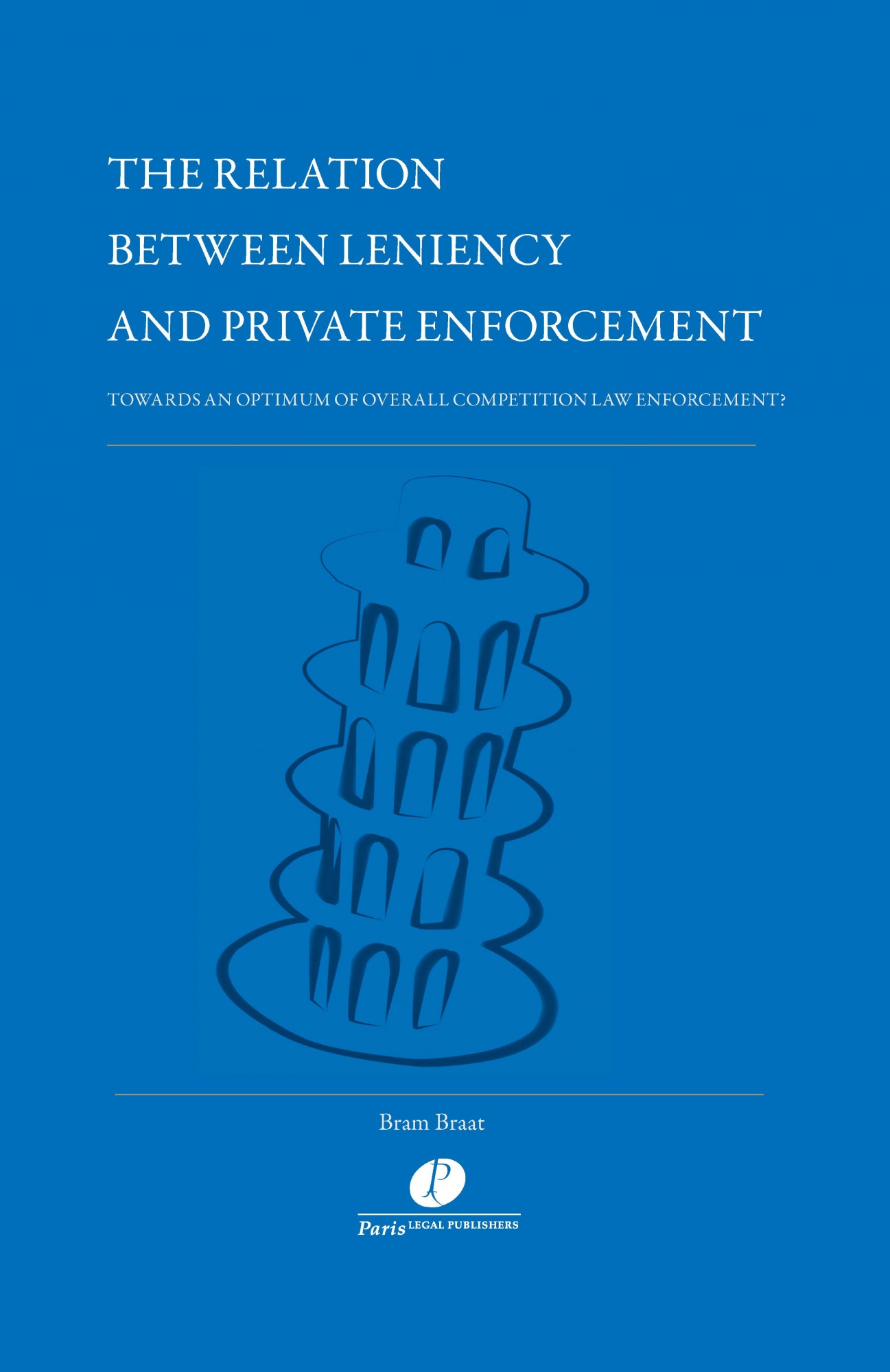
The author makes a comparison with the board game “Pisa”. In this game, small figures have to be placed at different levels of the Leaning Tower of Pisa, with the aim of keeping the tower stable. When there are too many dolls on one side and not enough on the other, the balance is lost and the figures topple off the tower. Competition law enforcement is a leaning tower of Pisa. If the structure of a competition law policy is not sufficiently balanced between public and private enforcement, it will function less effectively than it could.
With an upcoming private enforcement it is important to strike the right balance so that claimants are able to effectively claim damages on the one hand, but cartel infringers remain interested in applying for leniency on the other. The author analyzes the chosen systems of the EU, Germany and the Netherlands and uses the US system as inspiration. The author also discusses potential solutions for diverging approaches.
Table of contents
Preface
1 Introduction
1.1 Introduction
1.2 Topic
1.3 Comparative and Legal Approach
1.4 Structure of the Dissertation
1.5 Remarks
2 Leniency Policy of the European Commission, Germany and the Netherlands
2.1 Introduction
2.2 Effective Leniency Policy
2.3 Leniency Policy of the European Commission
2.4 German Leniency Policy
2.5 Dutch Leniency Policy
2.6 Interaction of Leniency Policies Within the EU
2.7 Evaluation of the Effectiveness of the Leniency Policy Within the EU
2.8 Conclusion
3 Development of Private Enforcement at the EU level
3.1 Introduction
3.2 History
3.3 Towards European Antitrust Damages Legislation
3.4 Comparison and Analysis of the Directive and the Papers
3.5 Conclusions
4 Private Enforcement in Germany and the Netherlands
4.1 Introduction
4.2 Private Enforcement in Germany Prior to the Antitrust Damages Directive
4.3 Private Enforcement in the Netherlands Prior to the Antitrust Damages Directive
4.4 Comparison and Analysis of Private Enforcement in Germany and the Netherlands Prior to the Antitrust Damages Directive
4.5 A Quick Overview of Private Enforcement in Other Member States
4.6 Private Enforcement in Germany and the Netherlands and the introduction of the Antitrust Damages Directive
4.7 Conclusions
5 The System in the United States
5.1 Introduction
5.2 Antitrust in the United States
5.3 Similarities and Differences Between Europe and the United States
5.4 Private Enforcement in the United States
5.5 Leniency Policy in the United States
5.6 Evaluation of Competition Law Enforcement in the US and Comparison with Europe
5.7 Conclusions
6 Synopsis
6.1 Introduction
6.2 Main Findings
6.3 Bottlenecks
6.4 Steps Forward and Solutions
6.5 Conclusions
7 Summary and Conclusions
7.1 Introduction
7.2 Findings
7.3 Recommendations
7.4 Final Conclusions
Samenvatting en conclusies
List of Sources
Table of Cases
Table of Decisions of Authorities
Publications
Curriculum Vitae